
















Winemaker Bella Mistala
Valencia - Spain
More information about 'Bella Mistala'
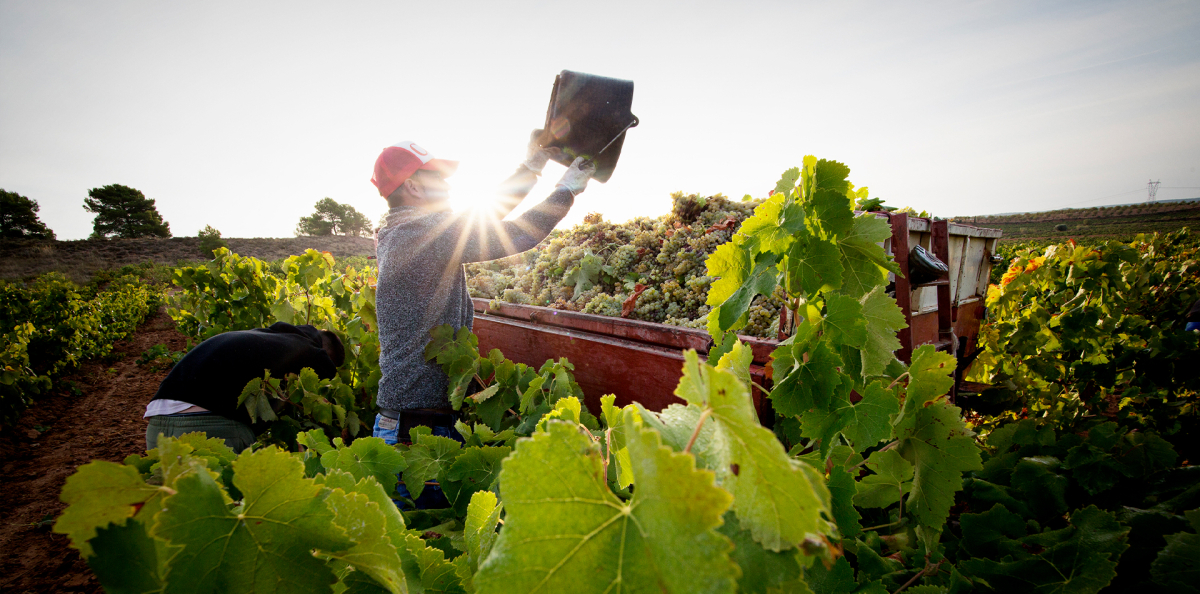
The vineyards of Cava Bella Mistala are located in the highlands of Valencia, Requena. Most cavas come from the Penedès, but here on this plateau temperatures can drop significantly at night and during winter.
This cold climate, however, guarantees fresh and lively sparkling wines, which is not a given in a country like Spain. In addition, the vineyards are cultivated entirely organically, and greater use is made of grapes such as Chardonnay, which at this altitude provide the wine with structure and fresh citrus notes alongside the classic Macabeo.
The winery itself was only established in 2007 and is therefore equipped with all modern facilities to produce characterful and exciting sparkling wines. Unlike the vast majority of cava producers, the focus here is firmly on quality, which has already earned them numerous awards in national and international competitions and tastings in a relatively short time.
Why you should definitely have Bella Mistala at home:
 Perfect as an aperitif, but also pairs beautifully with a variety of dishes.
 The grapes are fully organically grown. Cheers to sustainability!
 The vineyards of Cava Bella Mistala are located in the highlands of Valencia, Requena.
 The taste is rich and dry, resulting in a long, fruit-driven finish.
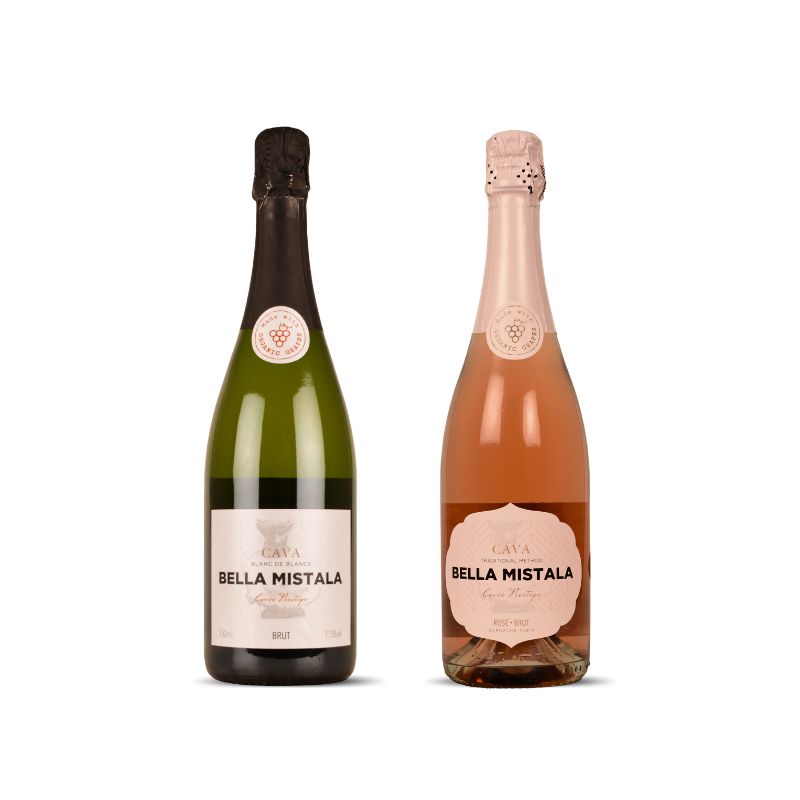
The delicious cava from Bella Mistala
Sparkling:
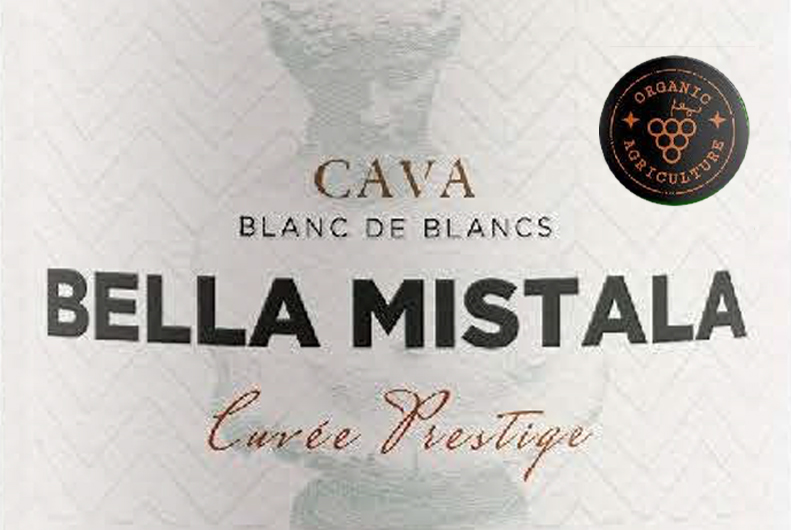
- Bella Mistala - Cava Organic Brut - 75% Macabeo y 25% Chardonnay
The vineyards of Bella Mistala in Valencia
The climate
Valencia, located in eastern Spain, is characterized by a Mediterranean climate. The region enjoys hot, dry summers with temperatures often exceeding 30°C, while winters are mild, with temperatures rarely dropping below 10°C.
Rainfall mainly occurs in autumn and spring, and the influence of the Mediterranean Sea ensures moderate temperatures. This climate is ideal for agriculture, with Valencia being known for citrus fruits, almonds, and wine production.
The terroir
The soil composition of Valencia, located on Spain’s eastern coast, varies from sandy and gravelly coastal areas to fertile alluvial soils in the plains and lowlands, where citrus fruits and rice thrive. The inland regions are characterized by mountainous terrain with diverse soil types, including limestone and slate, which contribute to the region’s wine production.
In some coastal plains and lagoons, the soils are saline, playing an important ecological role in wetlands and salt flats, supporting rich biodiversity. The diverse soils of Valencia play a crucial role in agriculture, wine production, and the natural environment.
Winemaking in Valencia
Winemaking in Valencia includes a wide range of grape varieties that thrive in the Mediterranean climate.
The region produces diverse wine styles, from robust red wines, such as those made from the Monastrell grape, to fresh whites and fruity rosés.
Valencia’s rich winemaking tradition is enhanced by innovation, leading to new flavor profiles and international recognition.
Wine tourism is flourishing, allowing visitors to enjoy wine routes and tastings, and winemaking remains a source of pride and tradition in this beautiful region.