
















Wine Producer Champagne Bollinger
Champagne, France
Discover the story behind 'Bollinger'
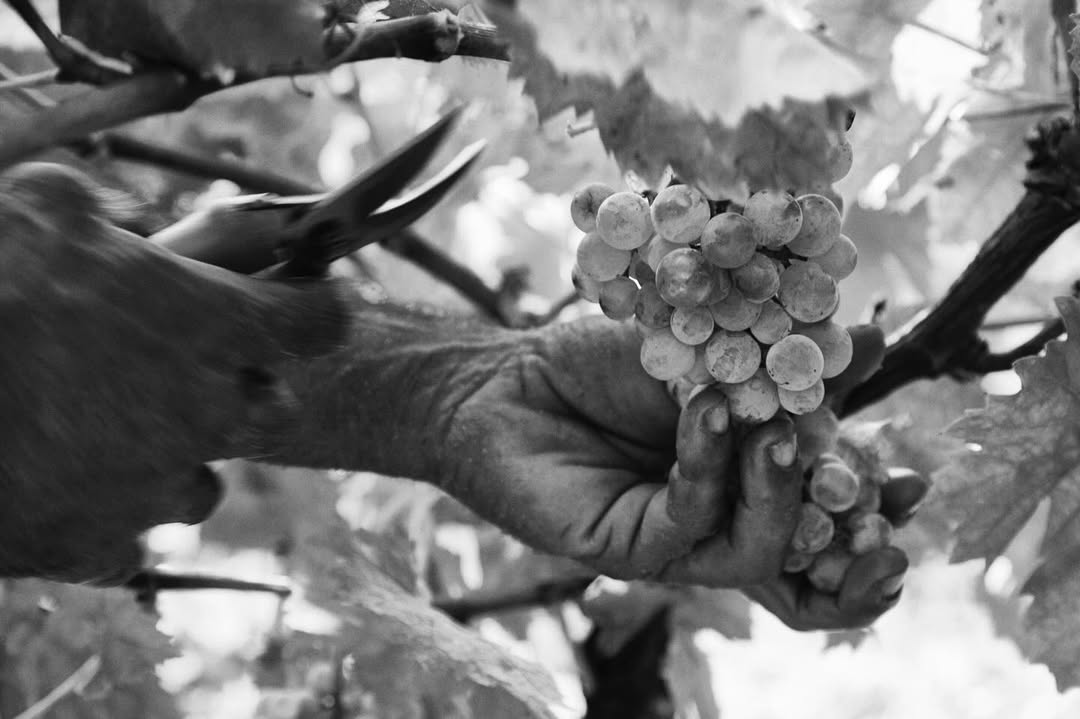
Champagne Bollinger was founded in 1829 and remains fully independent and family-owned to this day. The House is based in the village of Aÿ, in the heart of the Champagne region, and owns approximately 180 hectares of vineyards, a significant proportion of which are classified as Grand Cru or Premier Cru.
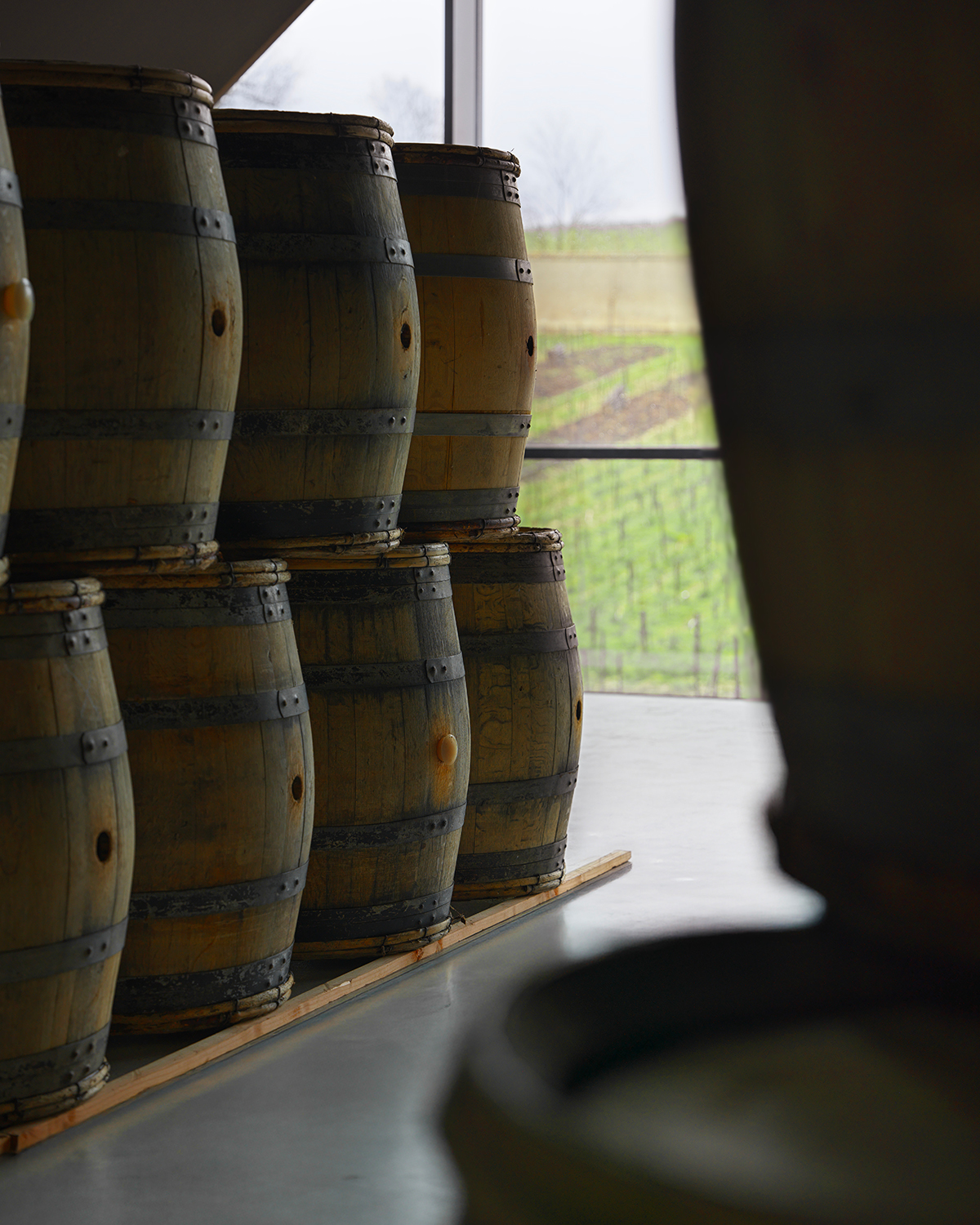
The Bollinger style is characterised by a predominant proportion of Pinot Noir, complemented by Chardonnay and Pinot Meunier. Part of the base wines are still traditionally fermented in oak barrels, contributing to the characteristic richness and structure of the Champagnes. The reserve wines are preserved according to the House's own "La Réserve Bollinger" method: they are stored in magnum bottles under crown cap, allowing them to retain their freshness and complexity over an extended period.
Bollinger also ages its Champagnes on the lees for considerably longer than legally required. This extended ageing, combined with the use of ripe, powerful Pinot Noir grapes, results in Champagnes with distinctive character, remarkable depth and excellent ageing potential. It is a style that has earned the House worldwide recognition, including its famous association with James Bond.
Why you should definitely have Bollinger in your selection:
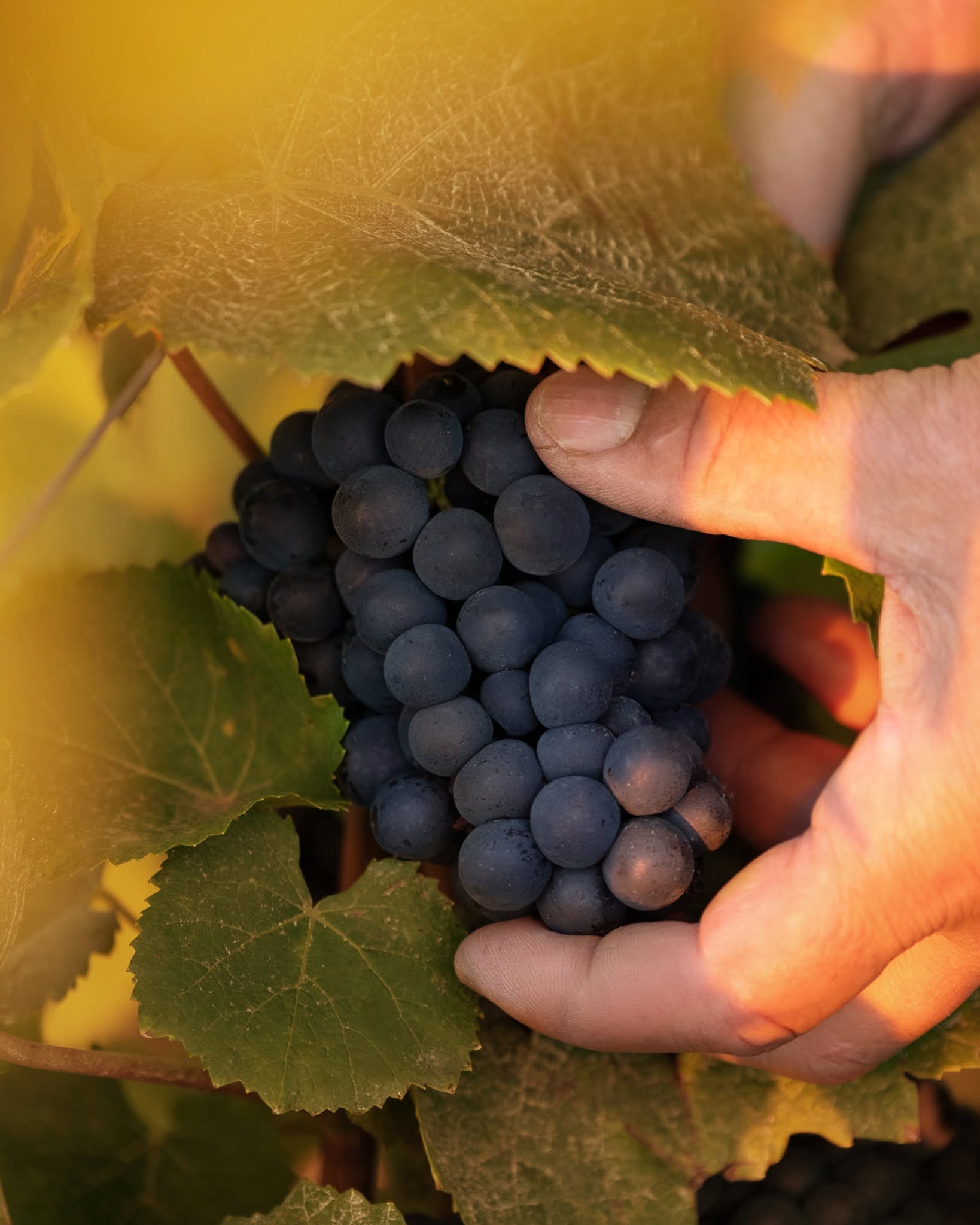
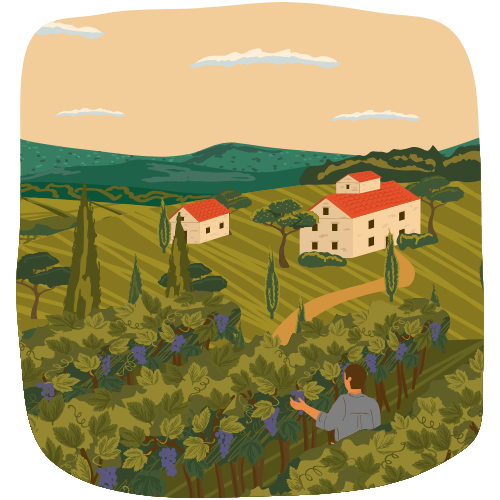
Bollinger stands out for the predominant use of Pinot Noir in its blends, complemented by Chardonnay and Pinot Meunier from its own Grand Cru and Premier Cru vineyards. The result is Champagne with a powerful, rich style and a distinctive character.

Part of the base wines are still fermented in oak barrels, while the reserve wines are stored in magnum bottles under crown cap, a unique and labour-intensive process that reflects the House's dedication to craftsmanship and tradition.
Plots in Grand Cru villages such as Aÿ, Bouzy and Verzenay are planted on the chalk-rich soils so characteristic of the Champagne region. Combined with significantly longer ageing than legally required, this produces Champagnes with remarkable depth and excellent ageing potential.
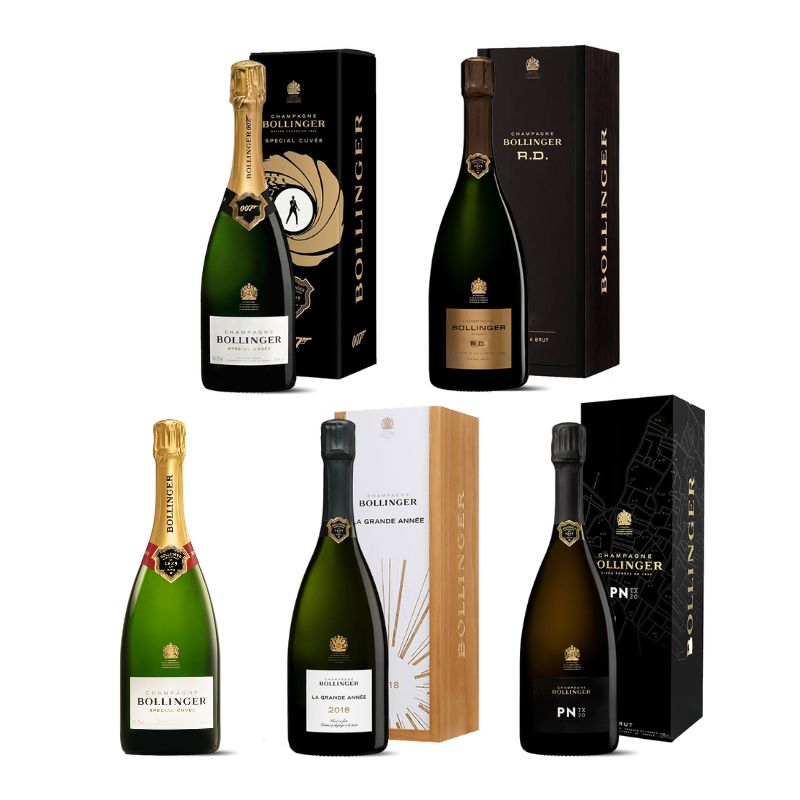
The exceptional Champagnes of Bollinger
Champagne:
2008 - Bollinger - RD - Gift Box - Brut
2018 - Bollinger - La Grande Année - Gift Box - Brut
2020 - Bollinger - Blanc de Noir PN TX20 - Gift Box - Brut
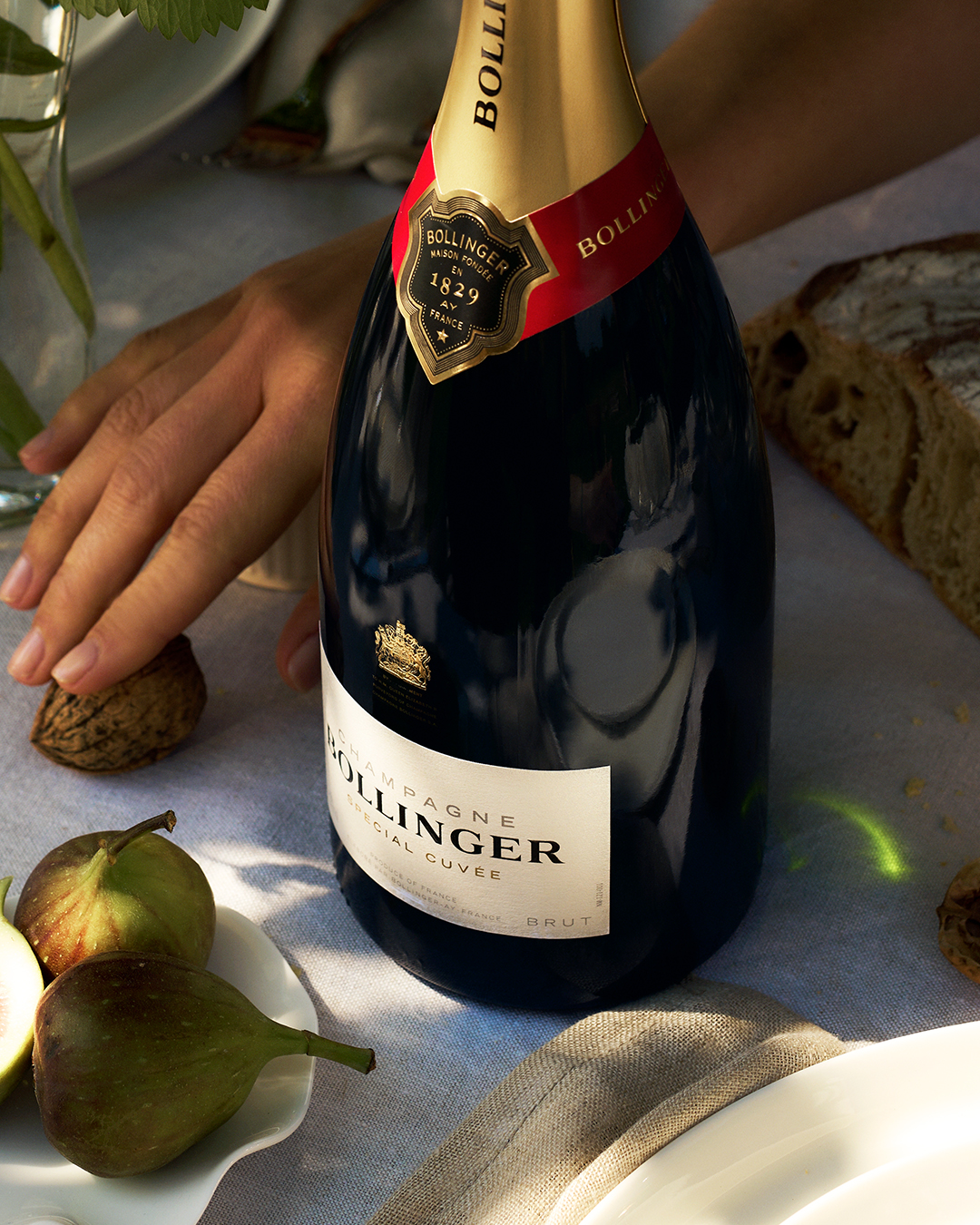
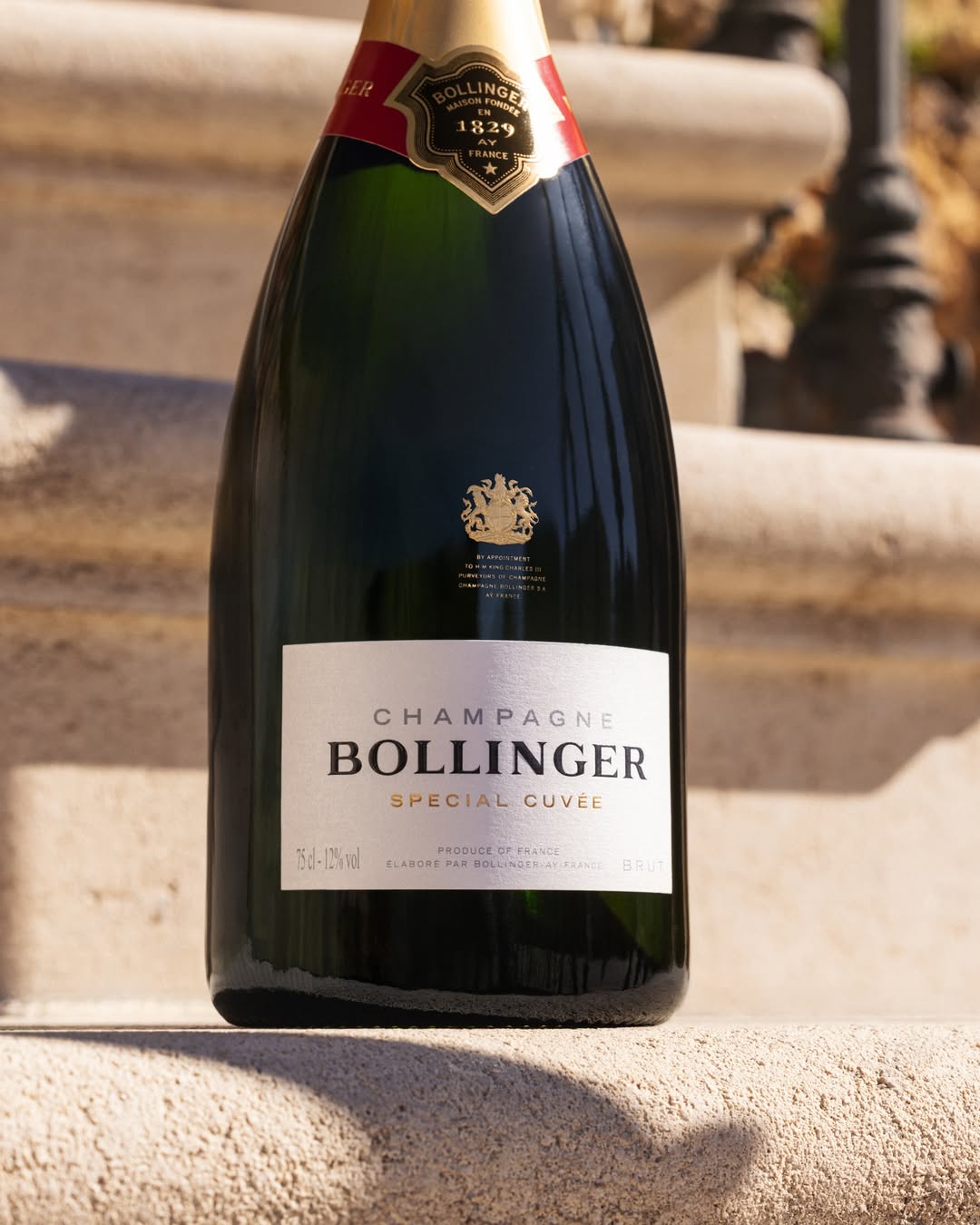
- Bollinger - Special Cuvée - BOND gift box - Brut
Sparkling:
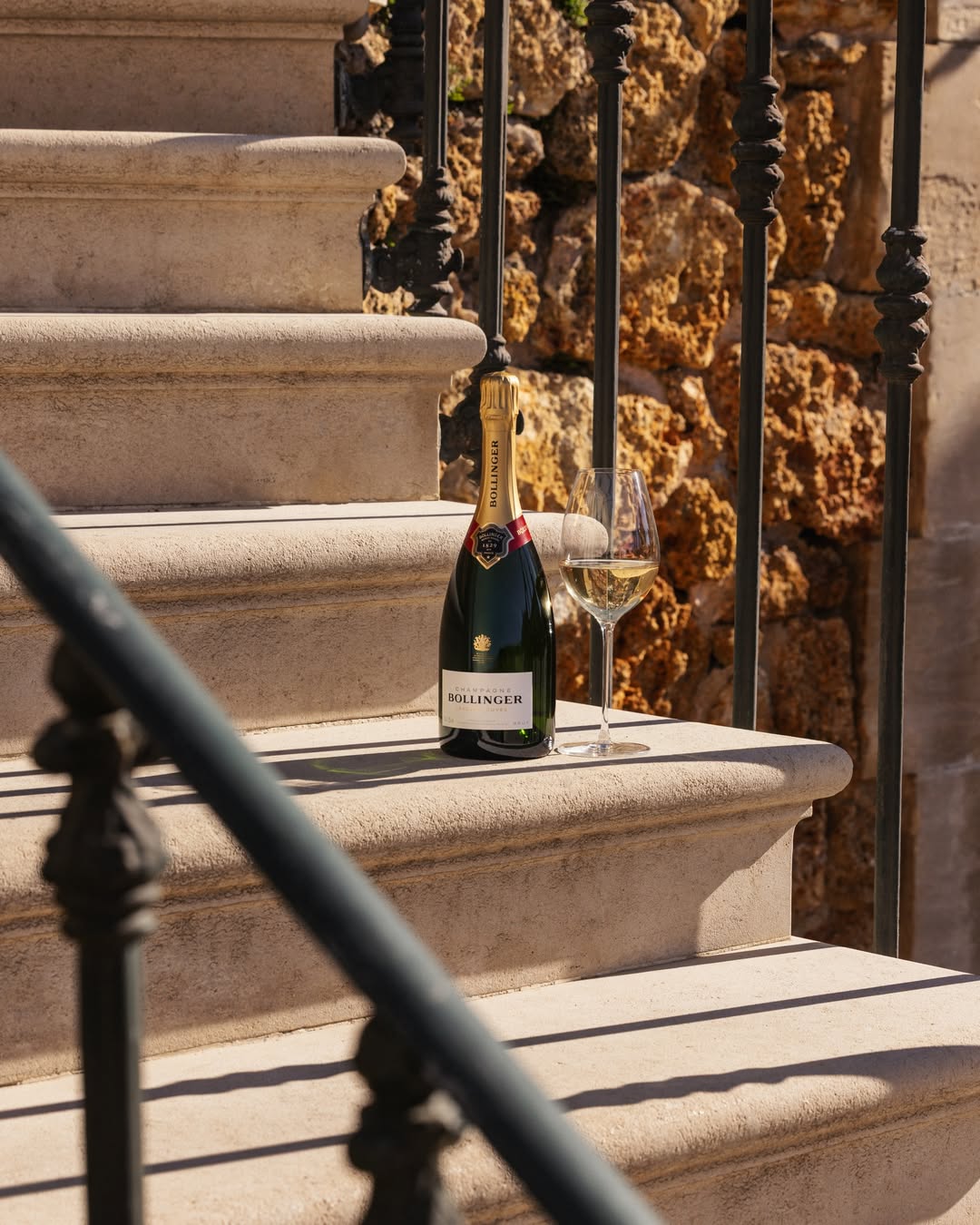
- Bollinger - Special Cuvée - Brut
Please note:
The availability of the listed wines may vary. Some wines may sell out in the future or may not yet be available (new vintage).
For the most up-to-date stock information, we recommend consulting the individual product pages.
The vineyards of Bollinger
The climate
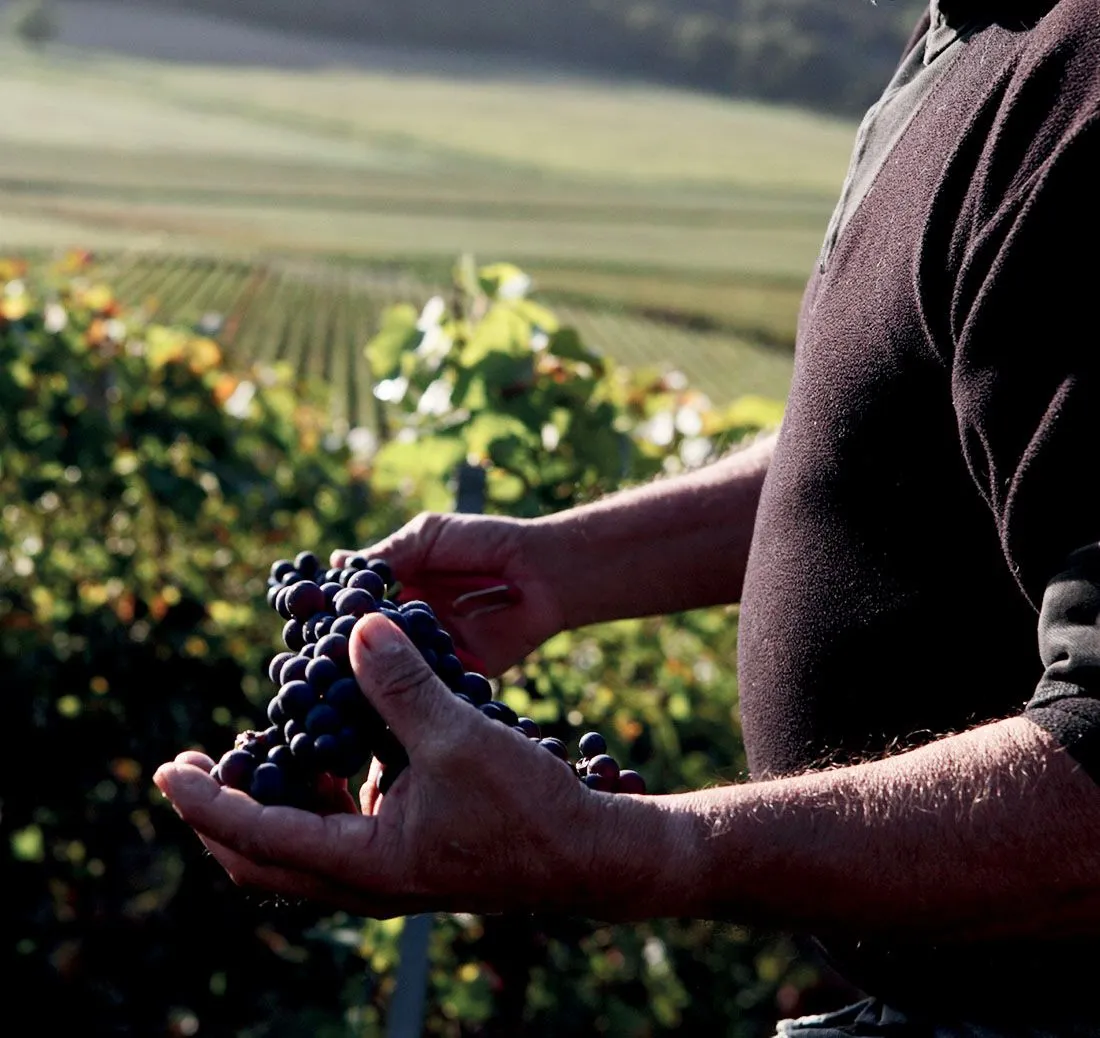
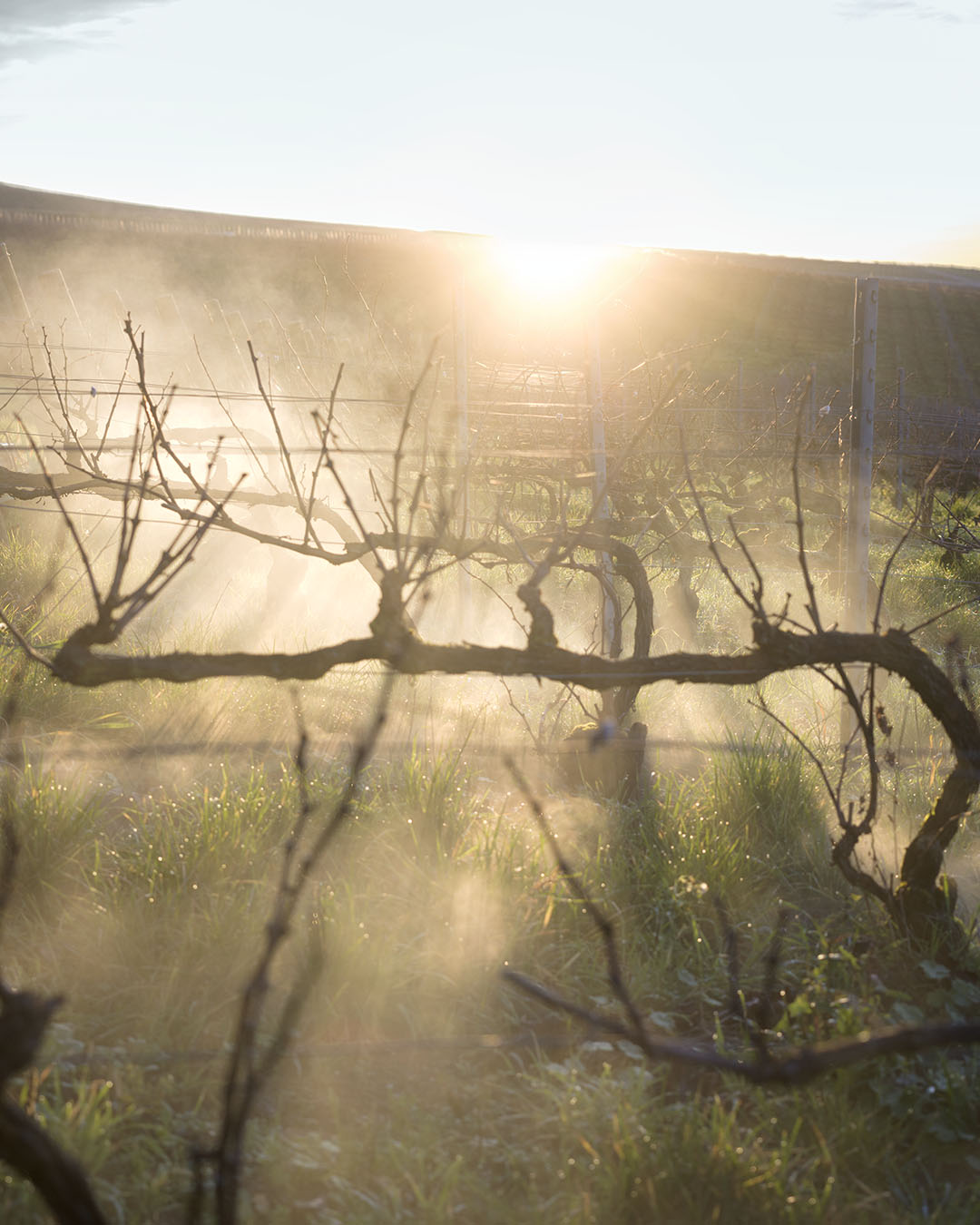
Bollinger's vineyards are located in the Champagne region in north-eastern France, where a cool continental climate with oceanic influences prevails. The relatively low temperatures ensure slow ripening of the grapes, helping to preserve their natural acidity, an essential element of Champagne's characteristic freshness. The risk of spring frost and variable summer conditions make viticulture challenging, but also contribute to the elegance of the wines.
The terroir
The soils of Champagne consist largely of chalk, a type of limestone dating back to the Cretaceous period. This type of soil offers several advantages:
- excellent drainage while retaining sufficient water reserves;
- reflection of sunlight, supporting grape ripening;
- deep root development;
- a distinctive mineral expression in the wines.
Bollinger's own vineyards are located in several Grand Cru villages, including Aÿ, Bouzy and Verzenay, renowned for their powerful and structured Pinot Noir. These vineyards form the backbone of Bollinger's distinctive style.
Viticulture and winemaking
Independent family-owned House since 1829
Bollinger is one of the few major Champagne Houses that remains fully independent and family-owned. Part of the base wines are vinified in oak barrels, while the reserve wines are stored in magnum bottles under crown cap according to the House's own "La Réserve Bollinger" method. All Bollinger Champagnes are also aged on the lees for considerably longer than the legal minimum, resulting in additional complexity and depth.